
When Canada Basketball announced its roster ahead of the 2026 FIBA U18 Men’s AmeriCup, the blueprint was easy to spot.
Length. Versatility. Defensive toughness. Multiple ball-handlers. Positionless pieces that could impact the game on both ends.
A week later, that blueprint delivered history.
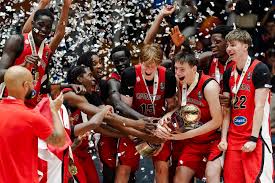
Canada defeated the United States 67-65 in the gold medal game in León, Mexico, capturing the country’s first-ever FIBA U18 Men’s AmeriCup championship and ending Team USA’s run of seven consecutive tournament titles.The most impressive part? They won exactly the way they were built to.
From the opening game through the championship, Canada overwhelmed opponents with size, defensive pressure, and lineup flexibility. The same themes that stood out when the roster was announced became the defining characteristics of the tournament.
The perimeter group set the tone all week.
Javion Tyndale was sensational throughout the event and saved his best for the biggest stage, pouring in a game-high 19 points in the championship game against the United States. His ability to control tempo, create advantages, and make winning plays on both ends consistently gave Canada an edge.
Godson Okokoh brought the physical downhill pressure that Canada expected when the roster was assembled. Malik Olajuwon, Lyris Robinson, and Emmanuel Oko-Oboh each supplied valuable minutes as Canada’s wing depth repeatedly wore teams down.
But this championship wasn’t won by star power alone.
It was won through collective defensive commitment.
Settimo Yugu, Kymani Walters, Nathan Yambayamba, and Deng Ngor formed the backbone of a defense that consistently dictated games. Their length and activity disrupted opposing offenses all tournament long, and when Canada needed a defining sequence in the gold medal game, it was Ngor who delivered.
After knocking down a game-tying three with just over a minute remaining, Ngor followed it with a transition dunk off a turnover that gave Canada the lead for good in the closing moments. It was the type of two-way impact play that perfectly reflected Canada’s identity throughout the tournament.
The frontcourt was equally important.
Stefan Ilic stretched defenses and provided offensive balance. Mateo Vigneault brought skill and feel to Canada’s rotation. Maxime Meyer impacted winning in every possible way, contributing on the glass, creating extra possessions, generating steals, and protecting the rim throughout the championship run. His stat line in the final only told part of the story; his defensive activity helped swing several key moments.
What made this group special wasn’t any one player.
It was the fit.
Every lineup had size. Every lineup could switch. Every lineup could pressure the ball. Canada rarely looked uncomfortable regardless of matchup because there was always another versatile piece available.
The semifinal showcased that depth in full force. Canada dismantled Puerto Rico 115-49 to advance to the gold medal game, demonstrating the kind of dominance that had become common throughout the tournament.
Then came the ultimate test.
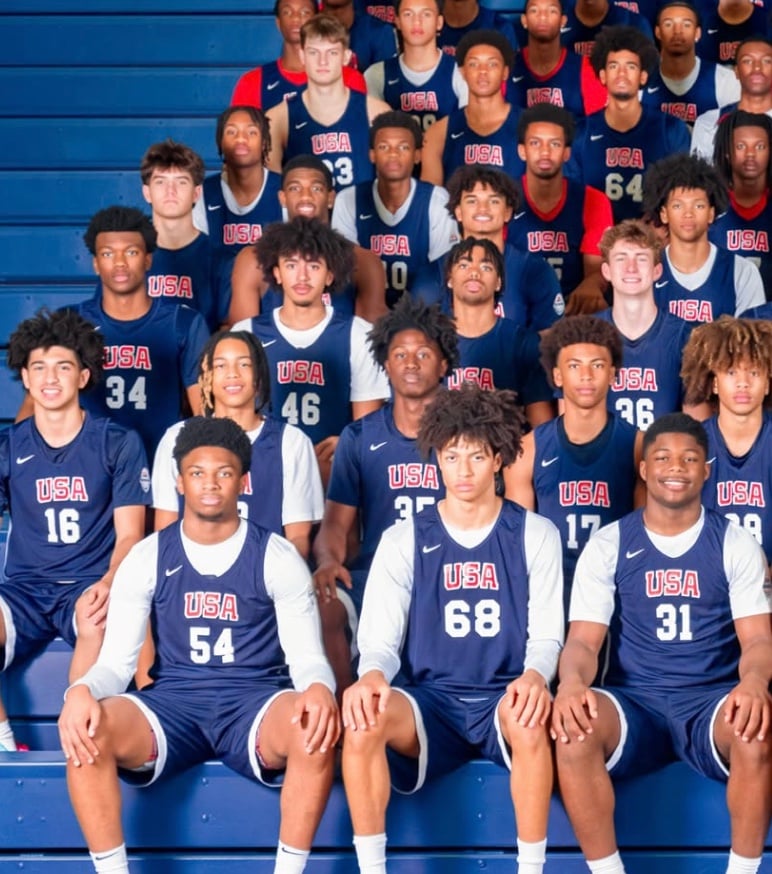
The United States entered the final seeking an eighth consecutive AmeriCup title and carried the tournament’s deepest collection of talent. Yet Canada never blinked. They absorbed runs, stayed connected defensively, and executed when the game tightened in the fourth quarter. When the final horn sounded, the scoreboard read 67-65, and Canadian basketball had another milestone moment.
More than anything, this championship felt like a reflection of where Canada Basketball is today.
The country is no longer trying to match the world’s best programs. It’s producing teams with their own identity.
This group embodied that identity perfectly.
Long. Tough. Unselfish. Versatile.
The names mattered. The talent mattered.
But just as importantly, the fit mattered.
And that’s exactly why Canada left León with gold.